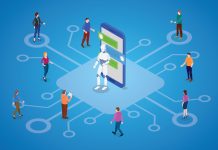




In 2026, the most successful B2B marketing and sales organizations aren’t choosing between humans and AI, they’re combining both into high-performing hybrid teams. Gartner predicts that 40% of enterprise applications will include task-specific AI agents by the end of the year, while Forrester warns that ungoverned GenAI could cost B2B companies over $10 billion in lost value. The message is clear: AI agents are no longer experimental tools. They are becoming full team members that handle execution while humans focus on strategy, creativity, and relationships.
This shift from “AI as assistant” to “AI as colleague” is reshaping revenue teams. Traditional silos between marketing and sales are dissolving into unified RevOps models powered by multi-agent systems. The winners are lean, outcome-focused pods where humans direct fleets of specialized AI agents. Here’s exactly how to structure your organization for 2026 success.
Why Hybrid Teams Are Non-Negotiable in 2026
B2B buyers now use AI agents to research, compare vendors, and even negotiate quotes. According to Gartner, by 2028, 90% of B2B buying will be AI-agent intermediated. This means your marketing and sales teams are no longer competing only against other humans, they’re competing against AI-powered buyer agents.
Purely human teams move too slowly. Purely AI teams lack trust, nuance, and emotional intelligence. Hybrid teams deliver the best of both: AI handles repetitive, data-heavy tasks at scale (lead qualification, personalized outreach, content drafting, pipeline analysis), while humans provide strategic direction, brand voice, objection handling, and relationship building.
Real-world results are already impressive. For example, teams using AI-powered prospecting report 38% more qualified leads. Similarly, marketing teams that pair AI copilots with human oversight achieve faster campaign iteration. In addition, they deliver higher levels of personalization without sacrificing authenticity. However, the hybrid model is not about replacing people; instead, it focuses on enhancing human capabilities. Ultimately, it’s about amplifying what teams can achieve rather than substituting their role.
Defining Roles in a Hybrid Human-AI Team
Successful 2026 organizations redesign roles around a simple principle: Humans own judgment. AI owns execution.
1. Human Strategists & Leaders (Marketing Directors, Revenue Leaders, AEs) – Set vision, define buyer personas, approve final creative, negotiate complex deals, and build executive relationships. They act as “orchestrators” directing AI agents.
2. AI Agents (Specialized Digital Teammates) – Task-specific agents handle qualification, research, content generation, follow-ups, and data entry. Multi-agent systems let them collaborate autonomously.
3. Hybrid Enablers (New Roles) AI Workflow Orchestrators (or “Agent Managers”) – Humans who train, monitor, and optimize AI agents.
4. Revenue Operations Analysts – Blend data science with business acumen to connect AI outputs to pipeline impact.
5. Creative Validators – Senior marketers who refine AI-generated content to ensure brand alignment and emotional resonance.
Team size shrinks but impact grows. Many high-performing B2B companies now run “pods” of 5–8 humans supported by dozens of AI agents instead of large traditional teams.
Optimal Organizational Structure for 2026
The winning structure is “flat, cross-functional, and agent-augmented”:
1. Unified RevOps Pod Model – Marketing, sales, and customer success sit in small, account-focused pods (6–10 people + AI agents). Shared KPIs replace departmental goals. AI agents provide real-time intent data and automate handoffs.
2. Central AI Governance Layer – A small cross-functional team (often reporting to the CMO or CRO) sets rules for AI usage, monitors for hallucinations, ensures compliance, and maintains a “single source of truth” for prompts and outputs. This prevents the $10B governance risk Forrester highlighted.
3. Tech Stack as Digital Workforce – Invest in AI-native platforms that support multi-agent orchestration (not just isolated tools). Connect CRM, marketing automation, and intent data so agents can act autonomously within defined guardrails.
4. Talent Density Over Headcount – Prioritize high-skill humans who excel at AI collaboration. Upskill existing team members through hands-on “agent management” training rather than hiring large new teams.
This structure delivers measurable gains: faster campaign launches, 1:1 personalization at scale, and humans freed to focus on high-value activities that close deals.
Step-by-Step Implementation Guide
Getting started doesn’t require a complete overhaul. Follow this 90-day playbook:
1. Week 1–30: Audit & Pilot – Map every repetitive task in marketing and sales. Pilot 2–3 task-specific AI agents (lead qualification, content drafting, meeting scheduling). Measure time saved and output quality.
2. Week 31–60: Build Hybrid Pods – Reorganize one revenue pod into the hybrid model. Assign clear ownership: AI for volume, humans for validation. Create simple playbooks for human-AI handoffs.
3. Week 61–90: Scale with Governance – Roll out AI governance policies. Train the team on prompt engineering and agent oversight. Integrate multi-agent systems for end-to-end workflows.
Track success with new metrics: AI contribution to pipeline, human time on strategic work, and overall revenue per team member.
The 2026 Advantage Belongs to Hybrid Teams
The B2B revenue organizations that thrive in 2026 won’t be the ones with the biggest AI budgets or the most employees. They’ll be the ones that master human-AI collaboration, lean teams of strategic humans directing powerful, specialized AI agents.
By structuring around clear roles, unified pods, strong governance, and continuous learning, your marketing and sales organization can deliver stronger results. Moreover, this approach enables faster personalization and more relevant engagement at every stage of the buyer journey. As a result, teams can collaborate more effectively and respond quickly to changing customer needs. In addition, it helps improve alignment between marketing and sales, ultimately leading to higher win rates. Most importantly, it ensures that every interaction feels authentic and valuable. Therefore, organizations can create meaningful buyer experiences at scale while maintaining consistency and efficiency.
The future isn’t human versus AI. It’s human + AI. Start building your hybrid team today, and 2026 will be your most successful year yet.
Ready to redesign your revenue team? Audit your current workflows and identify your first three AI-agent use cases. The organizations acting now will lead the market tomorrow.