



B2B companies are under constant pressure to generate more pipeline, close deals faster, improve customer retention, and increase revenue. But achieving these goals becomes difficult when sales, marketing, customer success, data, and technology operate independently.
This is where B2B Operations Strategy becomes important.
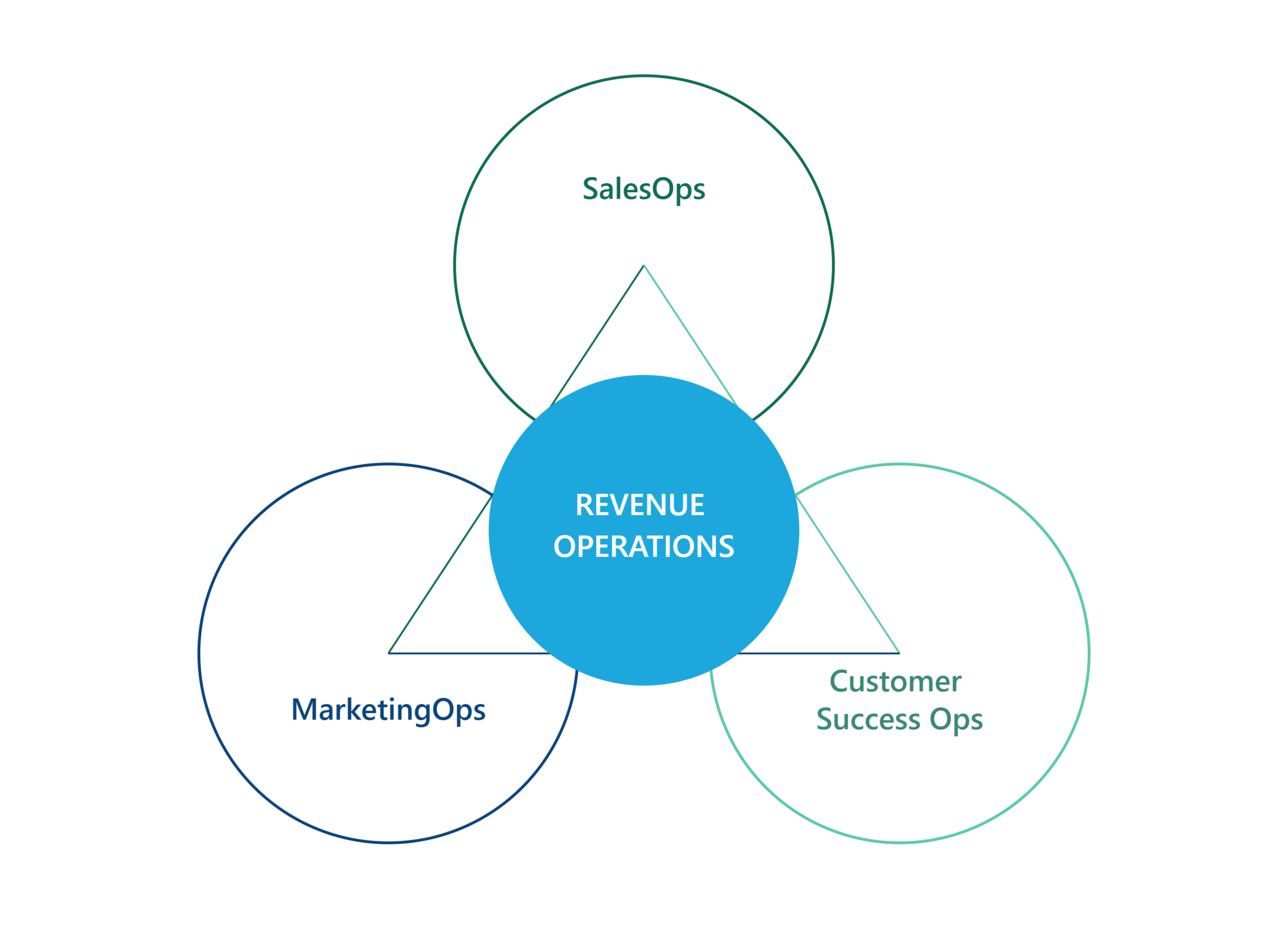
A strong operations strategy brings different revenue-generating functions together around shared processes, data, technology, and goals. Instead of treating marketing, sales, and customer success as separate departments, businesses can create a connected revenue engine that works toward the same outcomes.
What Is a B2B Operations Strategy?
A B2B Operations Strategy is a structured approach to managing the processes, people, technology, and data that support revenue generation.
It typically covers areas such as:
- Sales operations
- Marketing operations
- Customer success operations
- Revenue analytics
- CRM management
- Data management
- Process automation
- Performance measurement
The goal is not simply to add more tools or create more reports. It is to make the entire revenue process more connected, measurable, and efficient.
For example, marketing may generate hundreds of leads, but if sales does not receive the right information at the right time, many opportunities can be lost. An effective operations strategy helps eliminate this gap.
Why B2B Companies Need It
1. It Connects Sales and Marketing
Sales and marketing often have different priorities. Marketing may focus on leads, traffic, and engagement, while sales focuses on opportunities, conversions, and revenue.
A strong B2B Operations Strategy creates common definitions and processes.
Teams can agree on:
- What qualifies as a lead
- When a lead should go to sales
- How leads should be followed up
- Which accounts deserve priority
- How pipeline performance should be measured
This alignment reduces confusion and creates a smoother path from marketing engagement to closed revenue.
2. It Improves Data Quality
B2B companies work with large amounts of customer and prospect data. Over time, databases can contain duplicate records, outdated contact information, incomplete profiles, and inconsistent account details.
Poor data creates problems across the revenue funnel.
Sales representatives may contact the wrong person. Marketing campaigns may target irrelevant accounts. Reports may also show inaccurate performance numbers.
Revenue operations creates processes for maintaining clean, consistent, and usable data. Better data means better decisions.
3. It Reduces Operational Waste
Many B2B teams use multiple platforms for CRM, email marketing, analytics, automation, sales engagement, customer success, and reporting.
The problem is that these tools do not always work together efficiently.
Employees may spend hours moving information between systems or creating reports manually.
A well-designed operations strategy identifies these inefficiencies and looks for ways to simplify workflows and automate repetitive tasks.
This allows teams to spend more time on activities that directly contribute to revenue.
4. It Creates Better Revenue Visibility
One of the biggest challenges for B2B businesses is understanding what is actually driving revenue.
A company may know how many leads it generated, but that does not necessarily explain how those leads contributed to pipeline or closed business.
A B2B operations framework connects metrics across the customer journey.
Businesses can track:
- Lead-to-opportunity conversion
- Pipeline velocity
- Sales cycle length
- Win rates
- Customer acquisition costs
- Revenue by channel
- Customer retention
- Expansion revenue
This gives leadership a clearer picture of what is working and where improvements are needed.
5. It Supports Better Forecasting
Revenue forecasting becomes difficult when sales data is incomplete or inconsistent.
Operations teams can improve forecasting by standardizing pipeline stages, defining clear sales criteria, and creating reliable reporting systems.
With better data, sales leaders can identify potential risks earlier.
For example, if several opportunities have remained in the same pipeline stage for too long, leadership can investigate before those deals are lost.
Better forecasting helps businesses make more informed hiring, marketing, and investment decisions.
How to Build a B2B Operations Strategy
Creating an effective strategy does not require changing everything at once. Businesses can start with a few core areas.
1. Start With Current Processes
Document how leads move from marketing to sales and eventually to customer success.
Look for delays, duplicate work, manual processes, and unclear ownership.
2. Establish Shared Metrics
Sales and marketing should work toward common revenue-focused metrics rather than completely separate goals.
This creates accountability across teams.
3. Improve Data Management
Define clear rules for collecting, updating, organizing, and validating customer and prospect data.
Clean data should become an ongoing process rather than a one-time project.
4. Connect Technology
Review the systems used across the revenue organization. Identify tools that overlap, create unnecessary complexity, or fail to share important information.
The goal should be a connected technology ecosystem rather than a collection of disconnected platforms.
5. Automate Repetitive Work
Automation can handle tasks such as lead routing, notifications, data updates, reporting, and follow-up workflows.
This reduces manual work while improving consistency.
The Role of Technology
Technology plays an important role in modern revenue operations, but tools alone cannot solve operational problems.
A CRM, automation platform, analytics system, or AI solution is only useful when it supports a well-defined process.
B2B companies should first understand what they want to improve and then select technology around those requirements.
Increasingly, AI can also help teams analyze customer data, identify patterns, automate workflows, and support forecasting. However, businesses still need clear processes and reliable data for these technologies to deliver meaningful results.
Conclusion
B2B growth is no longer just about generating more leads or hiring more salespeople. Sustainable growth depends on how efficiently the entire revenue organization works together.
A strong B2B Operations Strategy can connect sales, marketing, customer success, data, and technology around shared objectives. It can reduce operational waste, improve data quality, increase revenue visibility, and help teams make faster decisions.
For B2B companies looking to build a more predictable revenue engine, operations should not be treated as a back-office function. It should be viewed as a strategic part of growth.
When the right people, processes, data, and technology work together, businesses can spend less time managing operational complexity and more time creating revenue.